As we get older, particularly from our mid-30s onwards, our bodies experience a gradual drop in a vital molecule called NAD+ (nicotinamide adenine dinucleotide).
NAD+ is like the fuel that powers thousands of processes inside our cells: it helps turn food into energy, repairs damaged DNA, keeps our mitochondria (the cell's power plants) working well, and supports overall vitality.
When NAD+ levels fall, we can start to notice things like lower energy, slower recovery from exercise, brain fog, and a higher risk of age-related issues.
But it’s not all doom and gloom! There’s a natural compound called NMN (nicotinamide mononucleotide) that acts as a direct building block that our bodies can quickly convert into NAD+. Supplementing with NMN has been shown in studies to raise NAD+ levels effectively, helping to counteract that age-related decline.
In this post, we'll explain in simple terms what NAD+ does, why it drops with age, how NMN helps restore it, and what the science says about real-world benefits.
What Is NAD+ and Why Do We Need It?
NAD+ is a coenzyme naturally found in every cell in our bodies. Think of it as a helper molecule that:
- Powers energy production in mitochondria (turning nutrients into ATP, our cells' energy-carrying molecule).
- Activates repair enzymes like sirtuins (which help regulate ageing, inflammation, and stress responses).
- Supports DNA repair to keep cells healthy and functioning properly.
- Maintains a healthy balance in metabolism, blood sugar control, and even sleep-wake cycles.
NAD+ levels are highest when we're young and naturally decline by about 50% or more by middle age and beyond. This drop affects how efficiently our cells work, contributing to fatigue, reduced muscle strength, poorer metabolic health, and accelerated ageing signs.
How Does NMN Boost NAD+ Levels?
We can support our own NAD+ levels through precursors like NMN, which our cells convert directly into NAD+ via a natural pathway called the “salvage pathway”, which is the body's preferred route for maintaining NAD+.
Here's how it works in simple steps:
- You take NMN (via food or supplement).
- NMN enters cells relatively easily (thanks to transporters like SLC12A8 in some tissues)
- Inside the cell, a helpful enzyme called NMNAT (nicotinamide mononucleotide adenylyltransferase) takes NMN and adds the missing piece, an adenylyl group from ATP (our cells' energy molecule), quickly turning it directly into NAD+.
Human studies show that taking NMN orally (typically 250 – 900mg per day) reliably increases circulating NAD+ levels, often by 50 – 150% or more (depending on dose, duration, and individual factors), helping reverse some age-related declines.
Benefits of Higher NAD+ Levels with NMN
Raising NAD+ through NMN can help support:
- More energy and better mitochondrial function, helping cells produce energy more efficiently.
- Improved metabolic health, with better insulin sensitivity, glucose control, and lipid profiles in several studies.
- Muscle and physical performance, with enhanced endurance, grip strength, walking distance, and recovery in older adults.
- Heart and vascular health, helping to reduce stiffness and oxidative stress in blood vessels.
- Brain health, potentially supporting cognition and neuroprotection.
- Overall cellular resilience, by activating sirtuins and DNA repair to promote healthier ageing.
Easy Ways to Get NMN
NMN occurs naturally in small amounts in everyday foods, including:
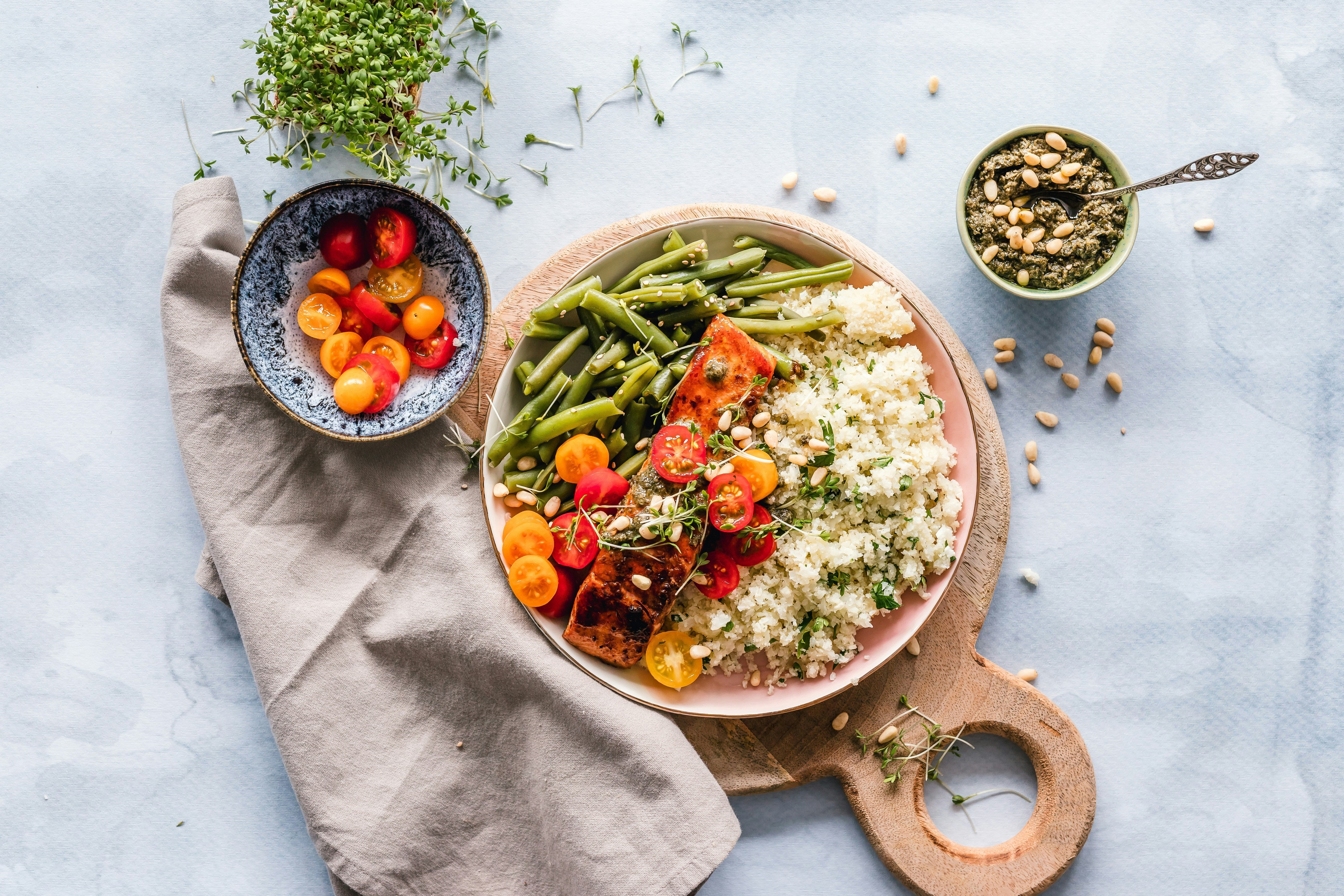
- Broccoli and green beans, which are among the richest vegetable sources.
- Avocados, tomatoes, cucumbers, cabbage.
- Edamame and mushrooms.
- Other traces in oranges, beef, and cow's milk.
A varied, protein and plant-rich diet helps, but most people get only tiny amounts (less than 1 – 2mg per day from food). Supplements (often 250 – 1000mg, taken daily) provide a concentrated, reliable boost and are well-tolerated in trials up to 1000mg/day.
Always choose high-quality, third-party tested products and chat with your doctor first if you have health conditions, or are pregnant or breastfeeding.
TLDR – the Summary
NAD+ is essential for energy, repair, and healthy ageing, but it declines naturally over time. NMN offers a straightforward, science-backed way to replenish it by feeding directly into the body's “salvage pathway”, helping cells stay energised and resilient.
Whether through NMN-rich foods or thoughtful supplementation, supporting NAD+ could be a simple step toward feeling more vibrant as the years go by.
Small daily habits can make a big difference; your cells are counting on it!

References (Key Sources Used)
- Liao B, et al. The versatile multi-functional substance NMN: its unique characteristics, metabolic properties, pharmacodynamic effects, clinical trials, and diverse applications. https://www.frontiersin.org/journals/pharmacology/articles/10.3389/fphar.2024.1436597/full
- Yi L, et al. The efficacy and safety of β-nicotinamide mononucleotide (NMN) supplementation in healthy middle-aged adults. https://link.springer.com/article/10.1007/s11357-022-00705-1
- Frontiers in Pharmacology: The versatile multi-functional substance NMN. https://www.frontiersin.org/journals/pharmacology/articles/10.3389/fphar.2024.1436597/full
- Various sources on NAD+ pathways: Salvage pathway dominance for NMN (e.g., WikiPathways, Nature reviews).
https://www.wikipathways.org/pathways/WP3645.html - Yang et al. An Updated Review on the Mechanisms, Pre‐Clinical and Clinical Comparisons of Nicotinamide Mononucleotide (NMN) and Nicotinamide Riboside (NR). Food Frontiers. https://iadns.onlinelibrary.wiley.com/doi/10.1002/fft2.511
- Igarashi M, et al. Nicotinamide mononucleotide supplementation elevates blood nicotinamide adenine dinucleotide levels and alters muscle function in healthy older men. https://www.nature.com/articles/s41514-022-00084-z
- Fukamizu Y, et al. Oral Administration of Nicotinamide Mononucleotide Is Safe and Efficiently Increases Blood Nicotinamide Adenine Dinucleotide Levels in Healthy Subjects. https://www.frontiersin.org/journals/nutrition/articles/10.3389/fnut.2022.868640/full
- Katayoshi T, et al. Ingestion of β-nicotinamide mononucleotide increased blood NAD levels, maintained walking speed, and improved sleep quality in older adults in a double-blind randomized, placebo-controlled study. https://pubmed.ncbi.nlm.nih.gov/38789831
- Food sources: Compilation from studies (e.g., broccoli/edamame highest; small dietary amounts).
https://www.healthline.com/health/nmn-nicotinamide-mononucleotide-benefits-side-effects-and-dosage