As we age, our bodies undergo subtle but significant changes at the cellular level. One of the most critical processes affected is autophagy, often described as the body's natural "clean-up” service. This cellular recycling mechanism helps remove damaged proteins, organelles, and other debris, keeping cells healthy and functioning optimally.
Unfortunately, autophagy naturally declines with age, contributing to many factors of aging, such as reduced energy, cognitive fog, inflammation, and increased risk of age-related diseases.
But there's promising science around a natural compound called Spermidine that can help restore autophagy, especially important after the age of 40, when these declines become more pronounced.
In this article, we'll break down what autophagy is, why it matters as we get older, and how spermidine can play a key role in supporting it.
What Exactly Is Autophagy?
Autophagy (pronounced “aw-toff-uh-jee”) literally means “self-eating” from the Greek words for self and eating. But don’t worry, it’s not as alarming as it sounds!
It’s your body’s natural housekeeping and recycling system inside every cell. When parts of a cell become worn out, damaged, or no longer useful (think old proteins or tired little powerhouses called mitochondria), the cell carefully wraps them up in a special bubble-like structure.
That bubble then merges with another part of the cell (lysosomes, a sort of breakdown chamber), where the unwanted bits are broken down safely. The useful materials are recycled and turned into fresh building blocks to repair or create new, healthy cell parts.
In short: it’s like your cells doing a regular spring clean, clearing away the old to make space and energy for the new. This keeps everything running smoothly, helps fight off tiredness and inflammation, and supports overall health as we age.
Why Does It Slow Down After 40?
Research shows that this natural housekeeping process tends to become less efficient as we get older. By our 40s and beyond, a few things start to happen inside the cells: the instructions (genes) that tell cells how to carry out the clean-up become less active, so fewer of the right tools get made.
The breakdown chambers (lysosomes) don't work quite as smoothly, they can get a bit sluggish or overloaded.
Over time, more worn-out bits build up because they're not being cleared away as quickly.
All of this means the cells have to work harder just to keep going, which can lead to feeling more tired, a bit of brain fog, stiffer blood vessels, a weaker immune system, and higher levels of inflammation.
At the same time, our natural levels of spermidine also start to drop as we age. It's a bit of a double challenge: the clean-up system itself is running slower, and there's less of the natural booster to help get it going again.
The result? Things that used to feel effortless in our 20s and 30s can start to feel more noticeable in midlife. But understanding this is the first step, because simple lifestyle tweaks (like eating spermidine-rich foods or taking a spermidine supplement) can give your cells the support they need to keep things ticking over more smoothly.
What is Spermidine?
Spermidine is a tiny molecule found in every cell and in many foods. It's especially good at waking up autophagy, helping cells spot and clear out the junk more effectively. Studies show that more spermidine triggers stronger autophagy, helps you to live longer and stay healthier, and also protects the heart, brain, and immune system. In fact:
- Eating more spermidine-rich foods is linked to lower risk of dying early and better heart health.
- Older adults with higher spermidine levels (like some centenarians) often have better memory and vitality.
- Small human studies suggest it can improve memory, reduce brain fog, and support overall energy in midlife and beyond.
- Fasting (which many people do for health) actually raises your own spermidine levels, which then boosts autophagy.
After 40, when both autophagy and spermidine dip, adding more spermidine can help "reset" that clean-up process and support feeling sharper, stronger, and more energetic.
Real-World Benefits After 40
Getting enough spermidine may help with:
- Clearer thinking and memory, by keeping brain cells clean.
- Healthier heart and blood vessels, reducing stiffness and stress.
- Stronger immunity, with a better response to illness and infections.
- More energy and healthier mitochondria (your cells' power plants).
- Lower overall aging effects, with less inflammation and better cellular health.
It's not a miracle cure, but it's one simple, science-backed way to support your body as it ages.
Easy Ways to Get More Spermidine
Many everyday foods are loaded with it. Top sources include:
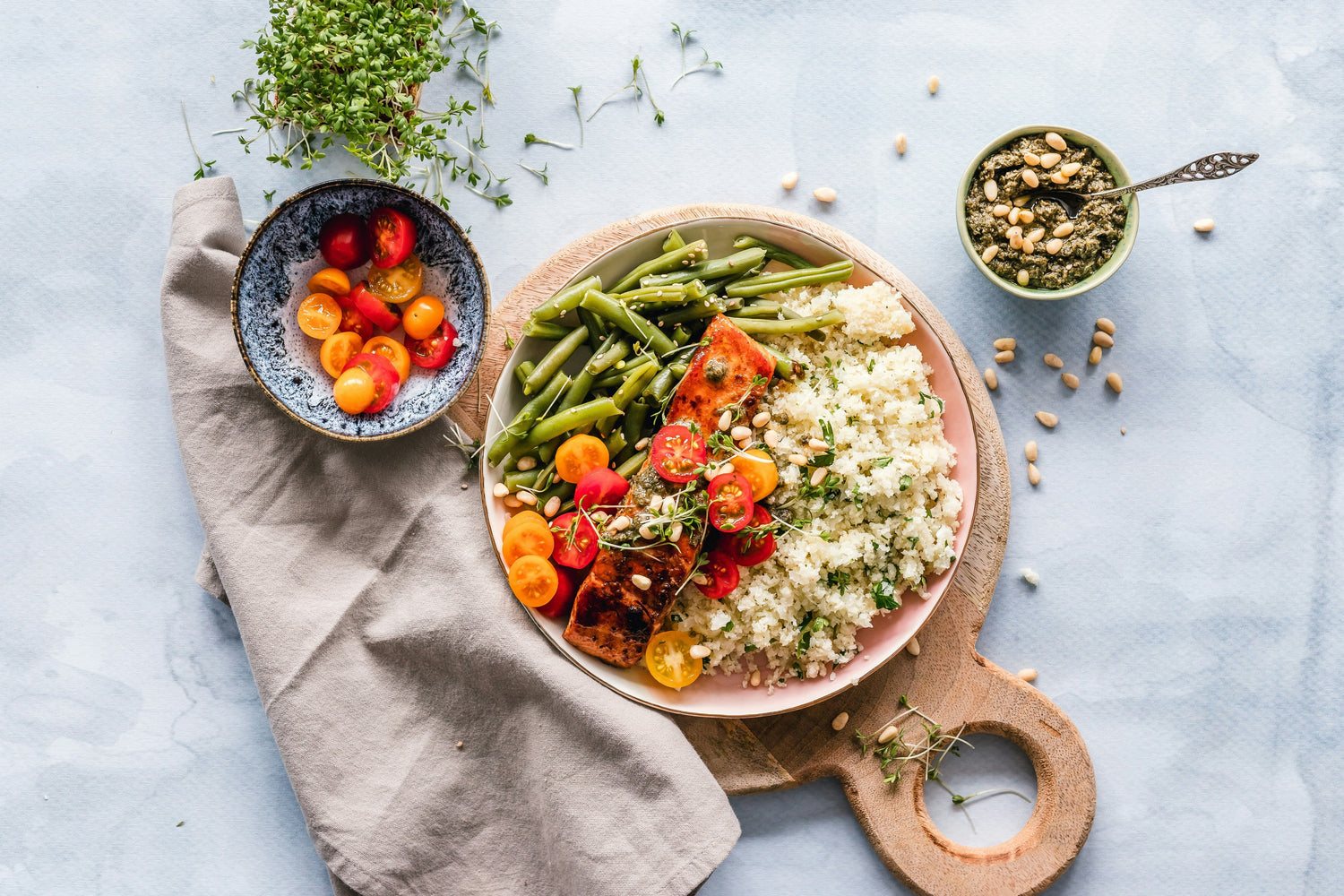
- Wheat germ - one of the richest (add to yogurt, oats, or salads).
- Soy foods, such as soybeans, tofu, and edamame.
- Mushrooms, especially shiitake.
- Aged cheeses, such as cheddar, parmesan, or blue cheese.
- Legumes, such as green peas, chickpeas, lentils.
- Broccoli, cauliflower, and green veggies.
- Nuts and seeds
- Supplements - a typical dose is 6mg per day, with some studies suggesting 10mg for optimal benefits. For best results, take one 10mg capsule per day with food, ideally in the evening.
TLDR – the Summary
Autophagy is your body's smart way of staying youthful at the cellular level, cleaning out the old to make room for the new. After 40, it needs a little extra help, and spermidine is one of nature's best boosters for that process.
By eating spermidine-rich foods (or considering a supplement), you can support your cells' natural clean-up process and potentially enjoy more energy, sharper focus, and better health as the years go by. Small changes add up; your cells will thank you!
References (Key Sources Used)
- Eisenberg T, et al. Induction of autophagy by spermidine promotes longevity. Nat Cell Biol. https://www.nature.com/articles/ncb1975
- Madeo F, et al. Spermidine: a physiological autophagy inducer acting as an anti-aging vitamin in humans? Autophagy. https://pmc.ncbi.nlm.nih.gov/articles/PMC6287690
- Hofer SJ, et al. Spermidine is essential for fasting-mediated autophagy and longevity. https://www.nature.com/articles/s41556-024-01468-x
- Schwarz C, et al. Safety and tolerability of spermidine supplementation in mice and older adults with subjective cognitive decline. https://pmc.ncbi.nlm.nih.gov/articles/PMC5807086
- Kiechl S, et al. Higher spermidine intake is linked to lower mortality: a prospective population-based study. (Epidemiological association)
- Sen P, et al. Mechanisms of spermidine-induced autophagy and geroprotection. https://www.nature.com/articles/s43587-022-00322-9
- Wirth M, et al. Effects of spermidine supplementation on cognition and biomarkers in older adults with subjective cognitive decline. (Human trial)
- Cleveland Clinic. Autophagy: Definition, Process, Fasting & Signs. Cleveland Clinic Health Articles.https://my.clevelandclinic.org/health/articles/24058-autophagy
- Satarker S, et al. Spermidine as an epigenetic regulator of autophagy in neurodegenerative disorders. https://pubmed.ncbi.nlm.nih.gov/39032763
- Morselli E, et al. Spermidine and resveratrol induce autophagy by distinct pathways converging on the acetylproteome. https://rupress.org/jcb/article/192/4/615/36371/Spermidine-and-resveratrol-induce-autophagy-by
- OMNi-BiOTiC. Spermidine – The “fountain of youth” for your cells – Use and Benefits. OMNi-BiOTiC Blog. 2025. https://www.omni-biotic.com/en-uk/blog/spermidine-fountain-of-youth-use-and-benefits
Always talk to a doctor before starting supplements if you are pregnant, breastfeeding, or have health conditions. This is not medical advice.